Did you think the e-bike world was a peaceful utopia of green commutes and happy cyclists? Think again. A regulatory proposal is sending shockwaves through the industry, pitting innovation enthusiasts against business interests—and, as ever, leaving riders stuck in the middle, helmet askew.
A Proposal Dividing the Industry
The spark for this uproar is a recent move by the ZIV (Zweirad-Industrie-Verband), Germany’s two-wheeled vehicle association. Their idea? Introduce a maximum motor assistance ratio of 1:4. In simple terms, this limits the motor’s power to a maximum of four times what the cyclist can produce. So, if your legs are valiantly pumping out 100 watts, your e-bike motor can only offer up to 400 watts in return. This isn’t just some minor arithmetic tweak—it’s a dramatic policy that could redefine what electric bikes are (and aren’t).
But it doesn’t stop there. The proposal also sets the maximum assistance power at 750 watts. For context, current motors are regulated at 250 watts nominally. ZIV claims these limits are about preserving the e-bike as something close to its traditional pedal-powered ancestor. But not everyone buys that: the backlash was fast, with critics warning that more powerful models—such as cargo bikes and e-bikes designed for people with disabilities—could end up being stifled before they even hit the road.
Follow the Power Cord: Bosch in the Spotlight
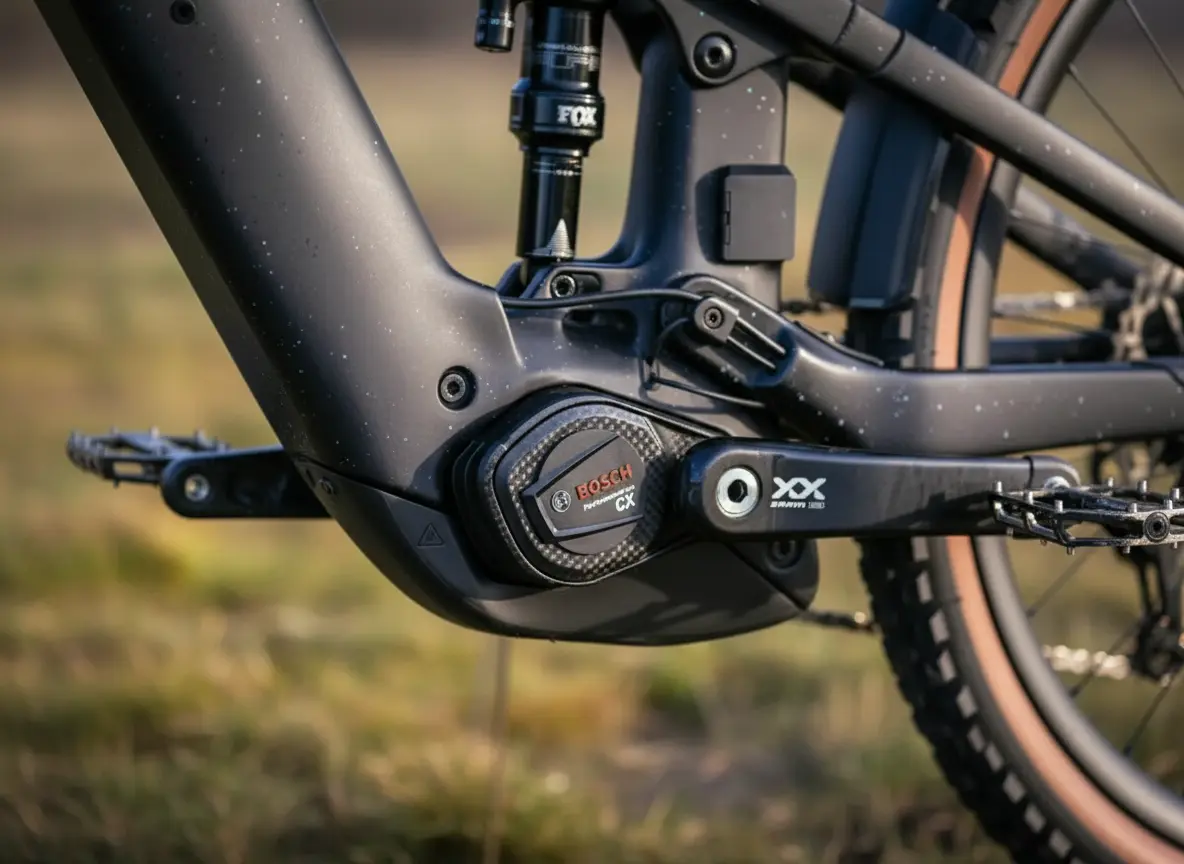
Right at the center of the debate sits Bosch, a titan of the European e-bike motor market. Several observers suggest that Bosch is exerting substantial influence over ZIV to protect its own turf. Why? Conveniently, Bosch doesn’t manufacture motors above 750 watts peak power. Critics argue Bosch has every reason to hold the line and freeze out any leap in power—after all, who would want nimble upstarts beating you with more muscle?
Annick Roetynck, director of the Light Electric Vehicle Association (LEVA-EU), minced no words: « It’s pure protectionism, » she declared. According to Roetynck, these restrictions could put the brakes on the evolution of e-bikes purpose-built for real-world challenges, from urban logistics to shuttling passengers around the city.
Who Pays the Price? Riders and Innovation at Risk
Roetynck raises another pointed concern: performance limits like these would hit hardest for those who need mighty motors the most. That means people with disabilities, or everyday cyclists relying on their e-bikes for taxing commutes or heavy cargo, could find their options diminished or compromised. This debate, she stresses, goes well beyond technical specs—it touches on the genuine needs of thousands who use e-bikes every single day.
Industry veteran Hannes Neupert added fuel to the fire by directly accusing Bosch of wanting to curb innovation just to defend its comfy market position. In his view, ZIV’s proposal isn’t about safety or fair play, but about stopping competitors from bringing more powerful motors to the table—a « fair competition » narrative that many see as paper-thin.
ZIV’s Defense and What’s Next
ZIV, for its part, has tried to dial down the heat. The association says the proposal emerged from a consultative process involving its 140 members—not just Bosch. Bosch, meanwhile, confirms it participated in working groups but suggests directing questions to the association for any juicy details.
Still, this row could soon shift from industrial corridors to political arenas. The European Union may wade in and review its regulations on light electric vehicles. Beyond the corporate jostling and regulatory fine print, the potential impact for consumers is clear: e-bikes could become less powerful and less accessible, particularly for those who see them not as toys, but as vital tools for urban transport or specific personal needs.
This saga shines a stark light not only on technological challenges but also on the tangled economic and political realities of a sector in the fast lane. Between industry interests and ever-tightening rules, the risk is clear: innovation may stall just as the needs of riders are accelerating.
One thing’s certain: As the debate rages on, cyclists and innovators alike will be watching closely—and, just maybe, pedaling a little harder to keep up.

John is a curious mind who loves to write about diverse topics. Passionate about sharing his thoughts and perspectives, he enjoys sparking conversations and encouraging discovery. For him, every subject is an invitation to discuss and learn.