The Truth Behind That Tiny Fuel Consumption Figure
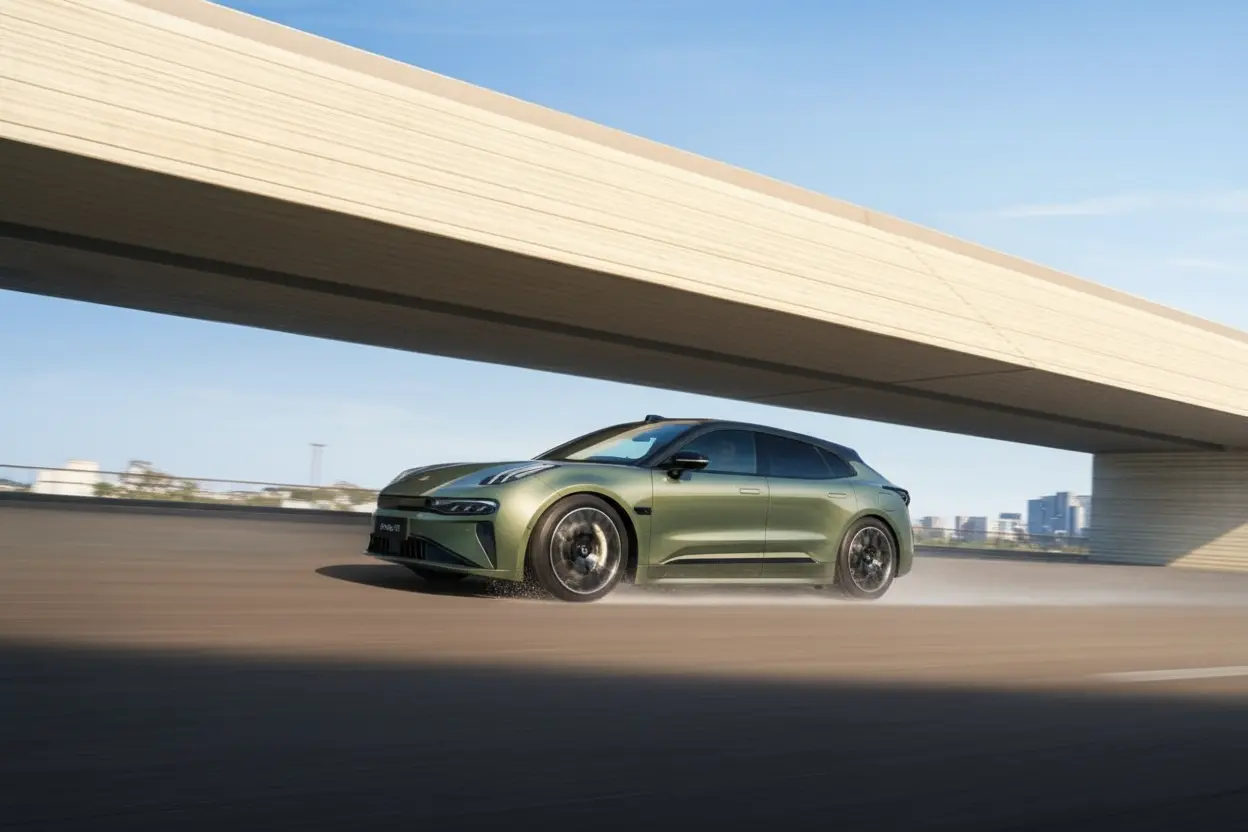
We’ve all seen it: those incredibly low fuel consumption numbers for plug-in hybrids, like 2.7 liters per 100 kilometers (roughly 87 miles per gallon). But where do they come from? These almost too-good-to-be-true stats are usually WLTP standard test values. In the lab, the car starts fully charged and racks up plenty of miles on electric power alone, making average fuel use plummet dramatically.
Here’s the catch: outside the lab, actual fuel use is often higher—sometimes much higher—especially if you don’t charge religiously. That neatly printed figure is more fantasy than daily reality for most drivers.
Lab Tests vs. Real Life: Why the Numbers Don’t Always Add Up
Industry groups like the ANWB (the Dutch automobile association) point out that WLTP figures are mainly designed so you can compare different car models side by side. But don’t be fooled; real-world fuel consumption regularly strays a long way from those brochure-perfect numbers. AutoRAI, another trusted source, highlights research showing plug-in hybrids burn a lot more fuel in daily use than officials claim—unless you make charging a true habit.
Bottom line? That 2.7 l/100 km is possible—on paper, in specific driving conditions. But it doesn’t mean much if you clock a lot of highway miles, or if you skip recharging. What really decides your fuel bill is whether you can commute on electric power daily and if you’re disciplined about plugging in.
The Dacia Sandero: Europe’s Actual Bestseller
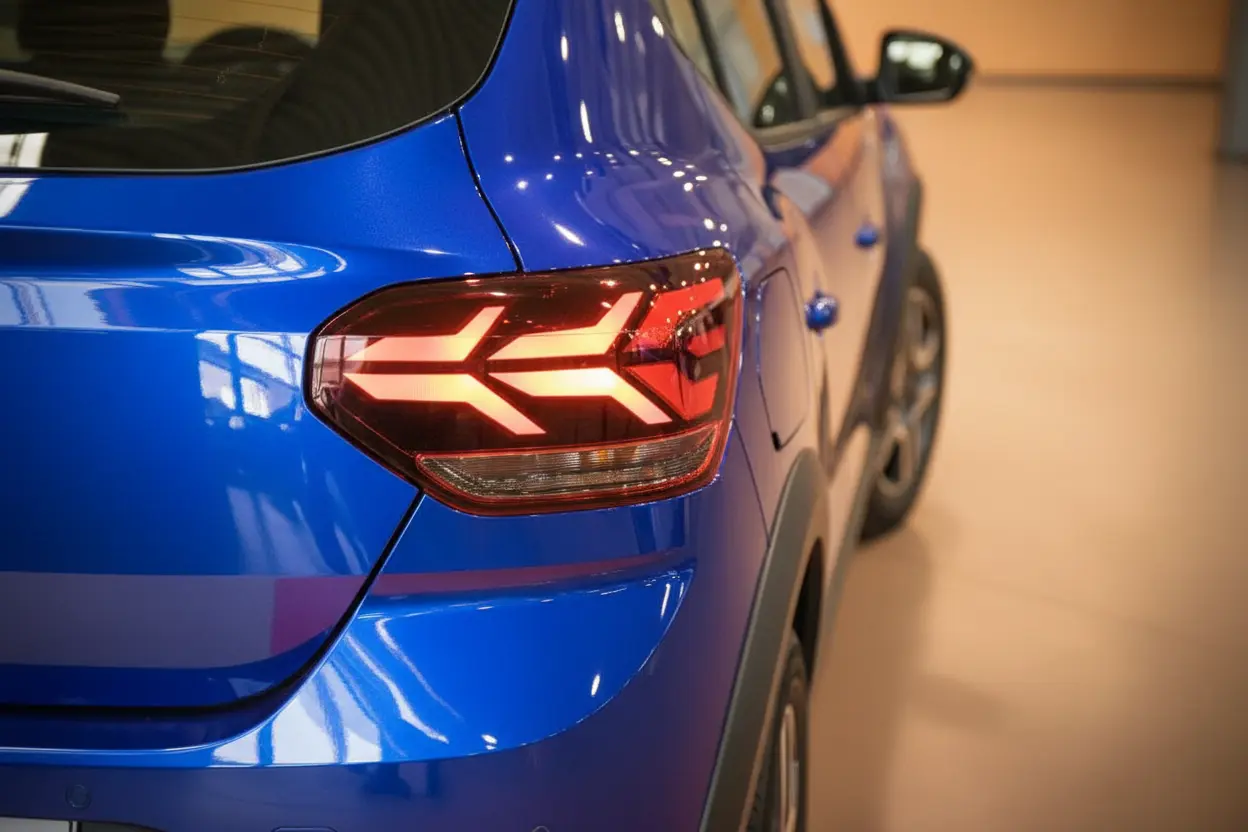
So which car leads the sales charts? Not the so-called “2.7-liter hero,” but the Dacia Sandero. In the first half of 2025, this compact hatchback from Romania remained Europe’s most popular new car. AutoWeek confirms its lead, noting how the Sandero leaves rivals like the Renault Clio and Tesla Model Y in the rearview mirror.
A key detail: the Sandero isn’t a plug-in hybrid boasting magical test scores. Instead, it’s almost always sold with a no-nonsense 1.0-liter turbo petrol or the factory LPG (liquefied petroleum gas) version called ECO-G. That’s a big part of its charm:
- Low purchase price
- Simple mechanics
- Predictable costs
According to Dacia Netherlands, available engines include TCe petrol variants (some with CVT automatic), and the LPG-friendly ECO-G. One thing you won’t find? A plug-in hybrid powertrain.
Choose What Suits Your Journey—Not Just the Brochure
Don’t get dazzled by a single shiny number. It really comes down to your driving habits:
- If you mainly take short trips and can charge at home or work, a plug-in hybrid can slash your fuel use—but only if you’re dedicated to recharging.
- If you’re often on the highway, or you just want straightforward, affordable transport, a frugal petrol or LPG model is usually a more realistic bet than chasing that 2.7 l/100 km dream.
And don’t forget the environment. Recent data from the Dutch CBS statistics agency shows that, per kilometer, plug-in hybrids actually emit more fine particulates than other types of drivetrains. That makes your charging discipline and typical trips even more crucial if you care about your eco-footprint.
2.7 l/100 km is a dazzling lab result for plug-in hybrids when the battery is full, but it’s nowhere near universal truth. Europe’s bestseller proves that simplicity, price, and predictability are just as convincing. So, choose based on your own routes: can you reliably charge and does a PHEV match your journeys, or are you better off with an affordable petrol (or LPG) model like the Dacia Sandero? The most economical choice is the one you can truly achieve, day in and day out.

John is a curious mind who loves to write about diverse topics. Passionate about sharing his thoughts and perspectives, he enjoys sparking conversations and encouraging discovery. For him, every subject is an invitation to discuss and learn.