The Promising Debut and a Surprise Hike
When Tesla unveiled the Cybertruck back in 2019, its entry-level price was announced at $39,900—a figure that turned heads for all the right reasons. Yet by 2023, when the model finally made its official debut, the base price had shot up to $60,990, roughly 50% more than originally promised. For those eyeing the advanced trims packed with premium features, the total soared past $100,000. So much for affordable innovation!
From Hype to Reality: Sales That Didn’t Materialize
At first, the pricing strategy seemed justifiable—a one-of-a-kind design, groundbreaking tech, a real statement piece. And the public agreed… at least at first. Tesla racked up a staggering 1.9 million preorders. But turning those enthusiastic reservations into actual sales was another matter. Estimates suggest less than 5% of the original sign-ups became real purchases. In other words, initial hype fizzled when faced with the question: « Would you actually pay that much for an electric pickup? »
- Rising competition in the electric truck market, like the Ford F-150 Lightning and GMC Hummer EV, offered more competitive prices—not quite as eye-catching, maybe, but easier on the budget.
- Manufacturing difficulties and delivery delays left many would-be buyers frustrated and, ultimately, shopping elsewhere.
Price Drop—And a Shift in the Cybertruck’s Identity
Faced with sluggish sales, Tesla had to rethink its playbook. Advanced Cybertruck models that initially came with a $20,000 premium got rebranded as new base versions. In short, prices dropped, and more buyers could now seriously consider the model. This tweak had a double effect: sales picked up, and the Cybertruck shed some of its exclusive mystique, appearing less like a sci-fi dream for the privileged few and more like a (relative) option for the masses.
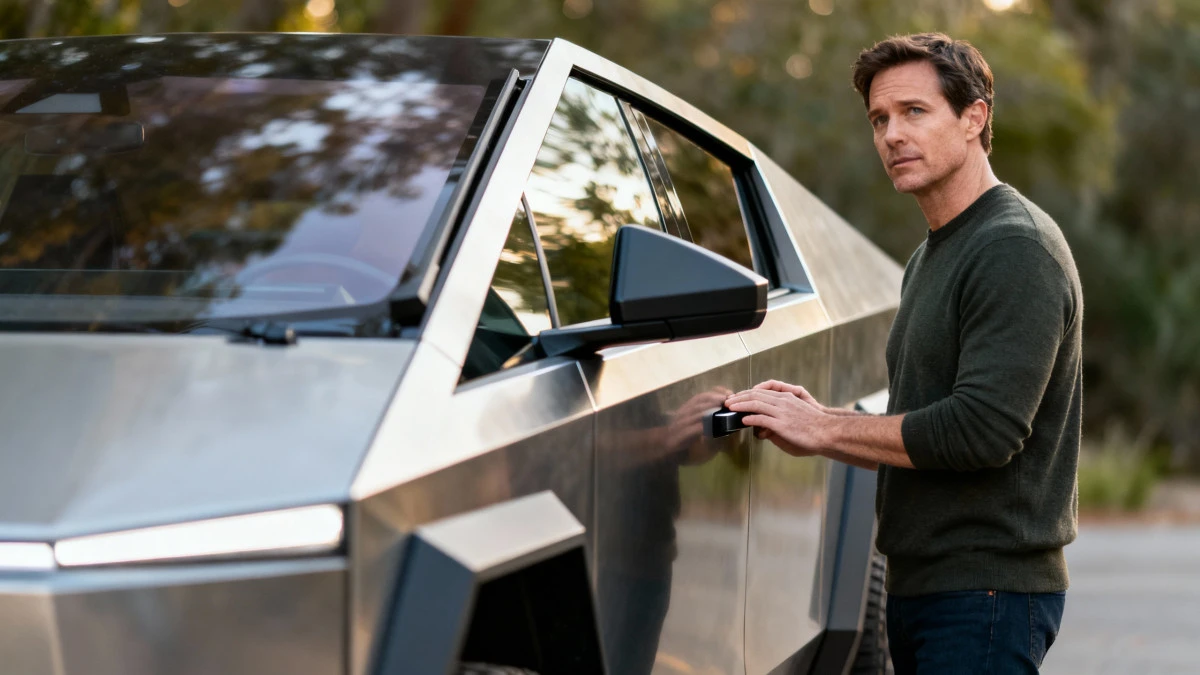
At the factory, meanwhile, Tesla was scrambling for savings too—adjusting both design and manufacturing. The stainless steel body remains a conversation starter in any parking lot, but mass-producing such a distinctive shell proved expensive and complex, forcing Tesla to iron out unexpected kinks behind the scenes.
The Road Ahead: Can the Cybertruck Stay Sharp?
Recently, these price adjustments have injected some energy back into the project. Still, the real test is just beginning: can the Cybertruck meet (and sustain) its long-term sales targets? A lower price has made it a stronger contender, but it’s anyone’s guess whether profitability will follow.
The electric pickup has had to adapt quickly to a fast-changing market. With competition growing fiercer and production challenges lingering, Tesla is under pressure not just to innovate, but to keep its cutting-edge truck relevant and commercially viable—a tough balancing act in today’s crowded EV landscape.
In summary, the Cybertruck’s pricing story is a tale of ambition meeting market reality. Once the poster child for high-end, boundary-pushing pickups, it now aims for wider accessibility. The coming months will reveal whether Tesla can keep this model sustainable, blending innovation and competitive pricing without dulling its bravado—or its appeal.

John is a curious mind who loves to write about diverse topics. Passionate about sharing his thoughts and perspectives, he enjoys sparking conversations and encouraging discovery. For him, every subject is an invitation to discuss and learn.