Behind the Hum of E-Bikes: Is Progress Being Stalled by Power Plays or Just a Storm in a Battery Pack?
The Controversy: E-Bike Motors Facing New Restrictions
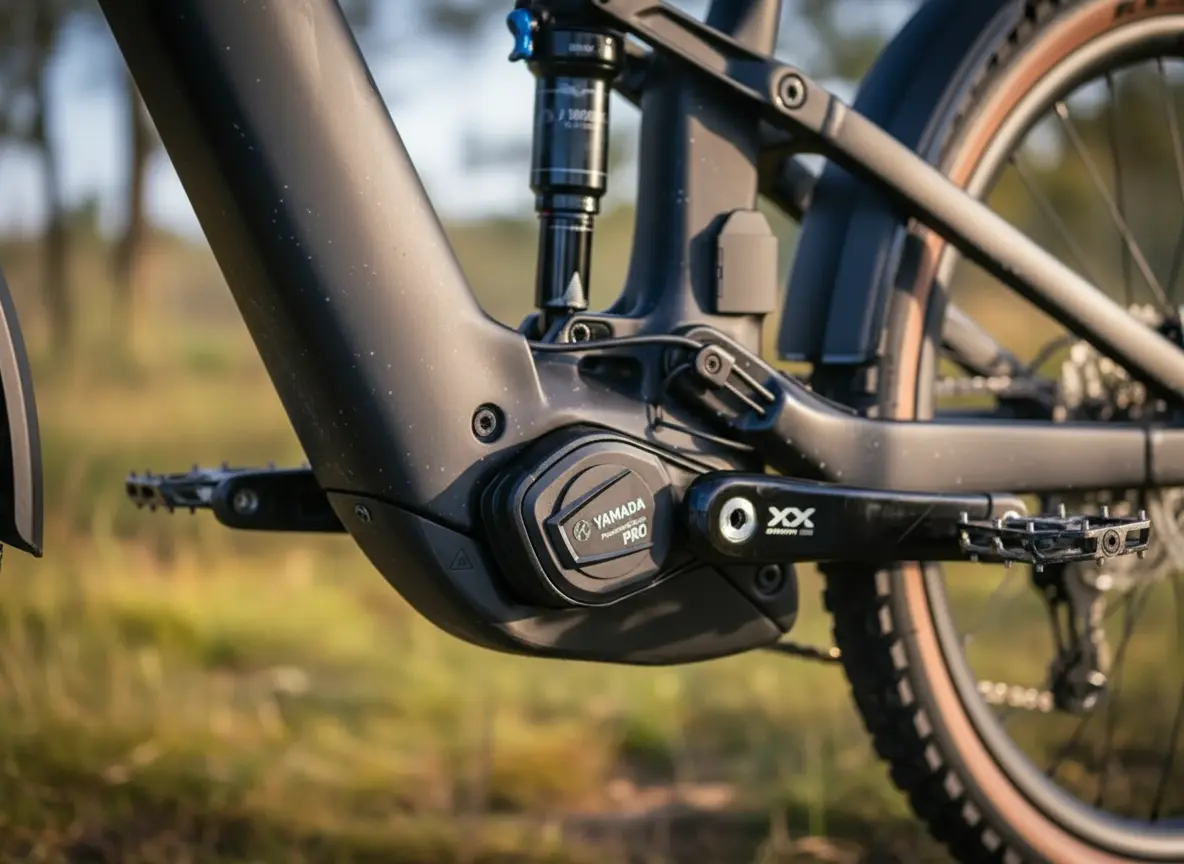
The e-bike world is no stranger to innovation—or heated debates over which way those innovations should roll. The latest uproar began when the ZIV (Zweirad-Industrie-Verband), Germany’s two-wheel industry association, proposed new rules to further limit the power assistance that electric motors can provide. Their recipe for « keeping bicycles feeling like bicycles » involves a couple of key ingredients:
- Setting a motor assistance ratio at 1:4 (for every 100 W a cyclist produces, the motor can add no more than 400 W).
- Capping total maximum assistance at 750 W (a significant hike from the current 250 W nominal limit, but with stricter proportionality to rider effort).
While this might sound like regulatory fine-tuning, it’s triggered an uproar, especially among those wary of stifling e-bike progress. Some whisper (less so, actually—more like shout on industry panels) that not all stakeholders are playing fair. At the heart of the wrangle: Bosch, Europe’s heavyweight e-bike motor supplier.
Accusations of Protectionism and Industry Turf Defense
Many in the sector accuse Bosch of quietly exerting outsized influence over ZIV, shaping the rules in its own favor. Critics point out that Bosch doesn’t offer motors above 750 W peak power. Coincidence? Not according to several industry experts who believe Bosch is shielding its own turf, using technical and regulatory debate to hobble competitors developing more powerful units.
Annick Roetynck, director of the Light Electric Vehicle Association (LEVA-EU), pulled no punches in voicing her disappointment, calling the proposal « pure protectionism. » She argues the new rules would throw a spanner in the works for developing more powerful e-bikes—crucial for tasks such as urban logistics or carrying heavier loads. For these roles, more oomph isn’t just nice to have, it’s a necessity.
The potential fallout isn’t just a backroom business squabble. According to Roetynck, stricter power limits would directly impact those who rely on higher power e-bikes:
- People with disabilities who may need extra assistance to use some e-bikes at all.
- Professionals whose jobs depend on high-performance cycling for daily transport or goods deliveries.
Hannes Neupert, a veteran of the e-bike field, weighed in too, charging Bosch with deliberately trying to slow innovation and lock out rivals from market share. In his view, the ZIV proposal aims to suppress competitors developing higher power motors while publicly defending the changes as a necessary guard against « dangerous competition. »
The Other Side: Official Statements and Ongoing Debate
ZIV has tried to play down the controversy, stating that the proposal emerged from a thorough, consultative process involving 140 member organizations—not just one company’s hidden agenda. Bosch, for its part, confirmed its active involvement in working groups, but pointed questioners back to ZIV for details.
No amount of reassurance has soothed the sector’s nerves. As the technical debate heats up, there’s a real risk the issue will morph into a political struggle. The European Union is now considering revisiting the entire regulatory framework for light electric vehicles. What’s truly at stake here, some say, is the future of e-bike use: with stricter limits, certain models could become less accessible, less powerful, and ultimately less useful—especially for people with specific needs or for the development of urban transport bikes.
Beyond Gears and Watts: A Sector at the Crossroads
The tussle over watts, ratios, and regulations highlights more than just a fight over engineering blueprints. It spotlights both the technological and political-economic challenges facing a fast-growing sector. If the proposed caps move forward, e-bike innovation may not just be limited by what’s possible—but by what major players decide is profitable.
In short: while the e-bike sector races ahead, it may have to pedal past not just technical bottlenecks, but market-imposed speed limits too. So next time you zip past a traffic jam on your e-bike, spare a thought for those who shape how much power your pedals get—and whether progress is being throttled, one regulation at a time.

John is a curious mind who loves to write about diverse topics. Passionate about sharing his thoughts and perspectives, he enjoys sparking conversations and encouraging discovery. For him, every subject is an invitation to discuss and learn.