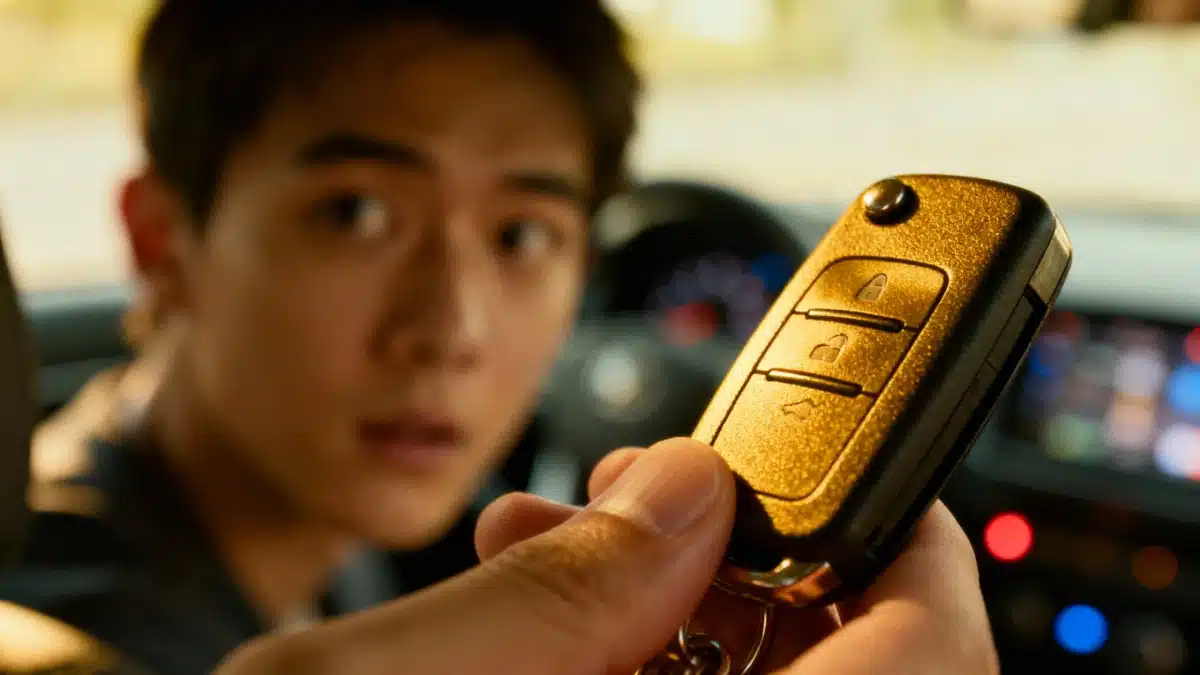
Parking your car and double-checking if you locked the doors used to be enough for peace of mind; but lately, drivers are left wondering if those reassuring ‘beeps’ stand for safety or just wishful thinking. The reason? A tiny gadget called Flipper Zero—and, no, it’s not the name of a retro arcade game or a dolphin with a tech obsession—has both experts and drivers unnerved for good reason.
The Device That Shook Up 200 Car Models
It starts innocently enough. Flipper Zero was originally designed as a neat, educational tool—think of it as a Swiss Army knife for testing the security of smart devices you own. The idea was to help fill a gap in computer security, giving geeks and tinkerers a legitimate way to check for vulnerabilities in their connected gadgets. But that’s where the straight-and-narrow story takes a sharp detour.
Thanks to unofficial, customized firmware, Flipper Zero has morphed from a gadget tester into a master of unlocking secrets—specifically, the locks guarding nearly 200 different car models. It copies or replays radio signals, easily communicating with many modern car lock systems. The result? What began as a harmless technical toy is now considered a very real— and very portable—threat to vehicle security and driver property everywhere.
The Black Market Goes Digital (and Social)
One might imagine sinister hackers lurking in shadowy basements, but in reality, much of the action is happening on widely accessible platforms. Discord and YouTube, for example, are now at the center of distributing these custom firmware versions. Developers like Daniel and Derrow have admitted that their technology is now easily available through these channels, practically fueling an ever-growing black market for car hacking tools.
These firmwares are not brand snobs: they can unlock multiple models from well-known manufacturers, including Kia, Volkswagen, and Hyundai. If you thought your badge gave you an extra layer of protection, think again. The alarming truth behind all this is simple: existing vehicle protections just can’t keep up with how fast these tools (and their firmware) are being developed and spread. Security doors meant to keep thieves out now swing open wide for those in the know.
What Does This Mean for Drivers?
Here’s where the rubber meets the road, and, unfortunately, it’s full of potholes. The number of vulnerable models is only growing, stretching to respected names like Ford, Peugeot, and Citroën, among others. Expert feedback is anything but comforting: with only minimal equipment, criminals can compromise locking systems that were once advertised as cutting-edge. The situation, as it stands, leaves drivers with a sinking feeling and not a whole stack of effective options for protection.
- Vehicle owners are facing a threat that adapts and spreads faster than current security fixes can contain.
- Minimal tools are now needed to unlock a shocking array of brands and models.
- Experts agree: desperate times, few truly effective responses for private car owners.
Manufacturers’ Response: Cautious and Lagging
So, have car manufacturers ridden in heroically to the rescue? Not exactly. While news of these vulnerabilities exploded like a tech scandal, automaker responses have been, well, timid and scattered. The familiar routes—system updates, tightening radio signal protections, reinforcing security protocols—are just not keeping pace with the relentless march of new, tailored firmware and hacking techniques. Every small course-correction seems outpaced the moment it’s implemented.
This story is unfolding as a broader battle: adaptation versus rapidly shifting technological threats. So far, the upper hand is with the hackers, leaving everyone else to play an unsettling game of catch-up.
The tough question remains: Can the tide be turned? For now, neither experts nor drivers are ready to bet on it. Until change strikes, vigilance and caution are your best defense. When it comes to locking your car, don’t just trust the beep—keep your eyes and ears open, and hope the good guys catch up.

John is a curious mind who loves to write about diverse topics. Passionate about sharing his thoughts and perspectives, he enjoys sparking conversations and encouraging discovery. For him, every subject is an invitation to discuss and learn.