Once upon a time—not so very long ago—the dream of a car sipping just one liter of fuel per 100 kilometers felt as if it was peeking over the horizon. Today, that vision seems more like an automotive fairy tale than a blueprint for the masses… or does it?
The Pursuit of the Magic Number
Back in the good old days (around ten years ago), the prospect of a vehicle able to stretch a single liter of fuel over 100 kilometers felt tantalizingly within reach. Fast forward to today, and although the dream hasn’t entirely disappeared, it’s retreated into the shadowy realm of “what could have been”—with a few remarkable exceptions keeping the embers aglow.
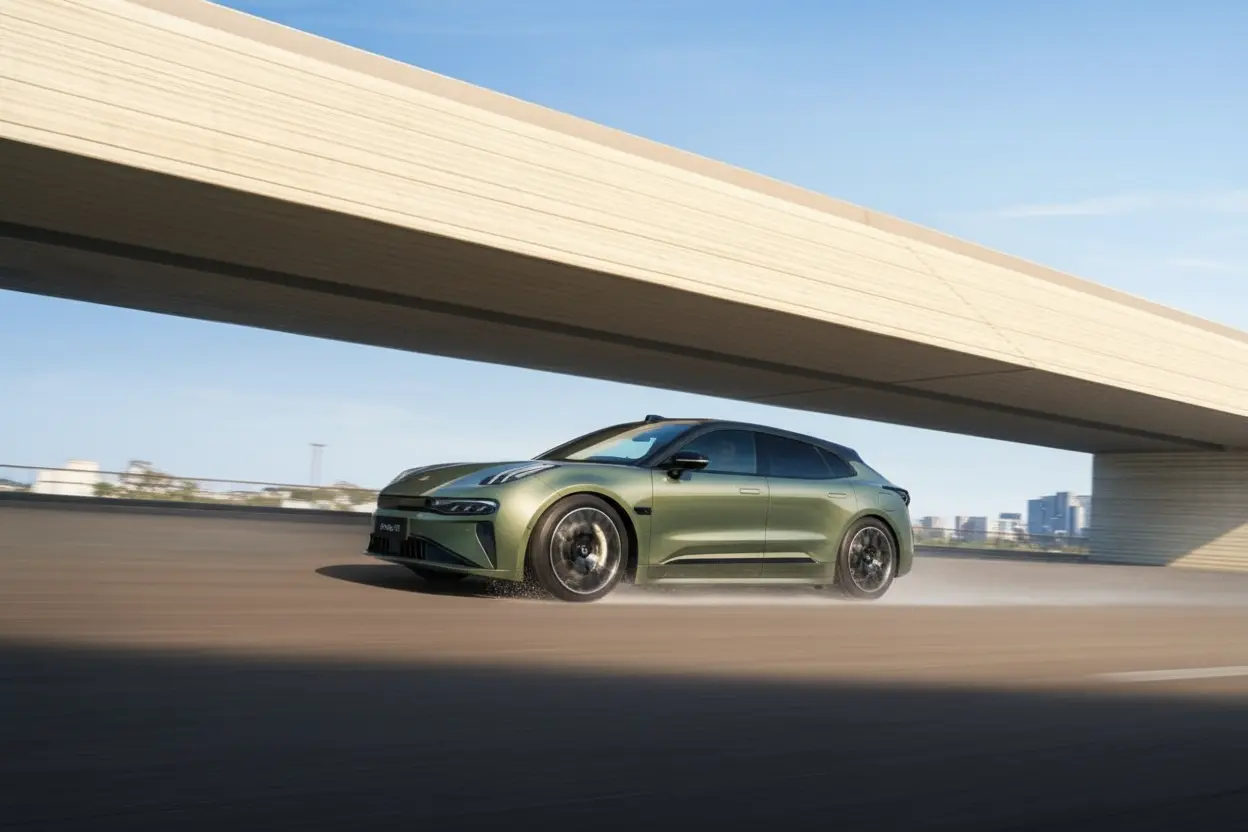
Recently, Mercedes rolled out the Vision EQXX, an electric sedan capable of traveling over 1,000 kilometers on a charge, boasting a battery under 100 kWh. The real magic? Efficiency: less than 10 kWh per 100 kilometers. For those still thinking in liters, that’s right about the mythical 1 l/100 km of fuel—if you squint a little and do the math.
A Legacy of Ultra-Efficient Prototypes
This symbolic figure takes us back to a special era filled with ambitious prototype cars:
- Volkswagen XL1: Just 0.9 l/100 km, with only 250 ever made—if you could stomach the eye-watering price tag.
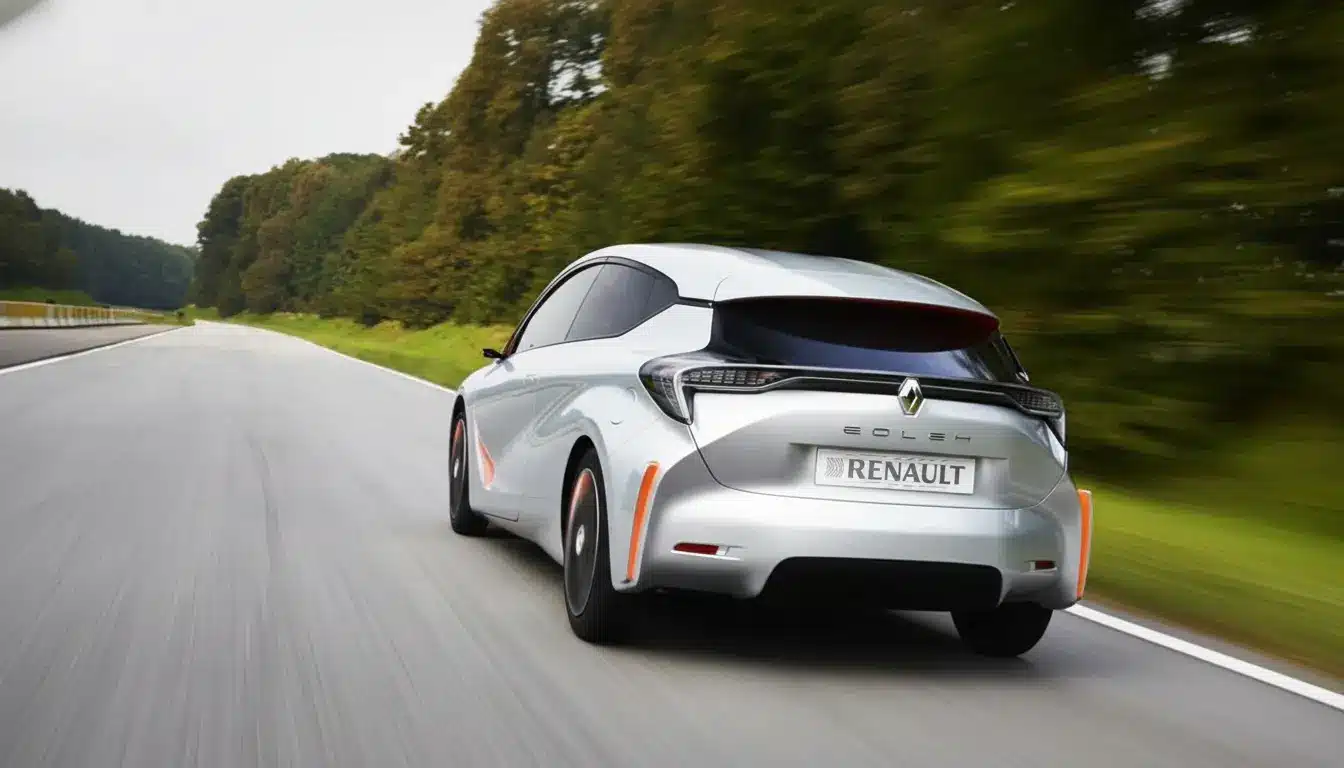
- Renault Eolab: From 2014, designed to « drink » just one liter every 100 km.
- Citroën C4 Cactus (optimized): Managed a still-impressive 2 l/100 km.
In 2012, then French Prime Minister Jean-Marc Ayrault challenged carmakers to hit the 2 l/100 km mark by 2020. Some brands even claimed they made it—like DS with its DS 7 Crossback E-Tense at 1.3 l/100 km. But wait! These numbers enter the murky waters of plug-in hybrids, where electric driving skews the stats in their favor.
Even the most iconic prototypes were hybrids: the XL1, for example, plugged in to recharge. A pure combustion car truly delivering 1 l/100 km? Sorry—never happened. Hybrids became the secret weapon in slashing fuel use, but the magic number always stayed just out of everyday reach.
Why Didn’t the Dream Become Mainstream?
The Eolab paved the way for Renault’s E-Tech system used in the 2020 Clio—though that’s stopped at 4.3 l/100 km. The hybrid queen, Toyota Yaris, can reach 3.8 l/100 km, which is impressive but still not quite the stuff of legends. Even these values are based on standardized (homologated) tests, often friendlier than what happens in the real world. When Europe’s NEDC test was swapped for the more realistic WLTP cycle, claimed fuel consumption began to match daily use better—but also made chasing records a bit tougher.
Mass-market cars never mirrored the spartan, slippery prototypes. Frankly, most drivers won’t trade comfort for a seat that feels like riding a go-kart. Light-as-a-feather materials, common in concept cars, just don’t make sense for mass production—not unless you want to pay for your car in gold bars. And then, the SUV craze crashed into the scene: bigger, heavier, and about as streamlined as a garden shed. Extreme aerodynamics like the XL1 or EQXX remain the surest path to sipping less energy, but finding someone eager to hug the asphalt like a Mazda MX-5 is… rare, to put it kindly.
The New Frontier: Electric Cars and the Shift in Priorities
The mythical “1 liter per 100 km” car might never turn up, partly because the auto market is steering away from combustion engines altogether. In today’s world of electric vehicles, a different challenge rules: range. Buyers now want to know how far a charge will take them, not how many kilowatt-hours they burn per 100 km.
Perhaps someday, when electric models are everywhere and energy prices start to pinch, we’ll see fierce debates about consumption efficiency—just like the old days when fuel economy ruled the car lot. Until then, the legend of the 1 l/100 km car remains an unfinished, beautiful chapter in the story of the automobile. If you still dream of maximum efficiency and engineering magic, well, keep the faith—a new page might yet be written.

John is a curious mind who loves to write about diverse topics. Passionate about sharing his thoughts and perspectives, he enjoys sparking conversations and encouraging discovery. For him, every subject is an invitation to discuss and learn.