City cars have a reputation for being thrifty, but Toyota’s latest Yaris Hybrid is giving that cliché a run for its money—literally. With flashy lab-tested fuel efficiency, widespread popularity, and budget-friendly pricing, you might wonder: does this compact Japanese champion truly deliver in everyday Dutch driving? Let’s pry open the bonnet of the numbers and see what’s really fueling the Yaris’s enduring success.
WLTP Figures: Promises, Promises
If you’ve shopped for a hybrid lately, you’ll know that fuel economy figures, especially those proud little WLTP labels, are everywhere. But behind every neat certification hides a more complicated tale. The WLTP number, after all, is a lab benchmark meant for comparing models, not a cast-iron guarantee. If only city traffic was as predictable as a rolling road test! Still, in the case of the Yaris Hybrid, the lab and life are not as far apart as you might fear.
Real-World Fuel Efficiency: Urban Star, Motorway Mortal
Here’s where the plot thickens. Day-to-day, the Yaris Hybrid’s technology comes alive where you want it most—those stop-and-go urban commutes. Its electric motor, regenerative braking, and smooth EV mode shine brightest here, letting real-world figures of around 4 litres per 100 km actually come into view. Yes, there’s hope for the eco-conscious city dweller.
But life isn’t all city blocks and roundabouts. Take the Yaris for a spin on the highway, and—like our collective optimism on Monday mornings—fuel consumption climbs noticeably. Still, compared to most non-hybrid petrol cars, the Yaris proves an honest companion. Unlike many plug-in hybrids, where the lab number can be pure wishful thinking, Yaris’s real efficiency remains tantalisingly close to its sticker claims, especially around town and on shorter trips.
Two Flavours for 2024: Hybrid 115 and Hybrid 130
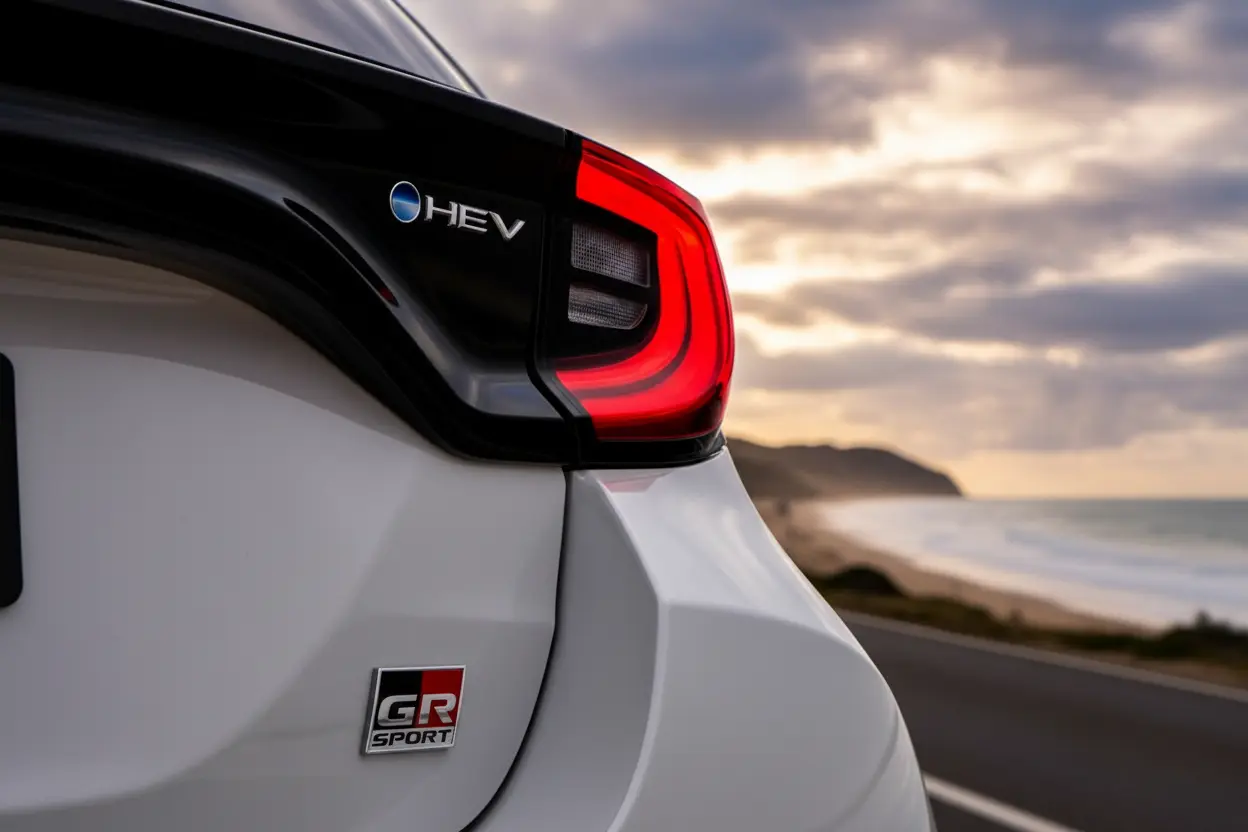
Toyota keeps things interesting in 2024 by offering two Yaris Hybrid options. The Hybrid 115 pairs a 1.5-litre petrol engine with an electric motor for a combined 116 hp. This variant grabs headlines for its lowest fuel use and sharpest pricing—a magnet for those watching both the pump and their piggy bank.
For drivers seeking a bit more zest, there’s the Hybrid 130. Delivering a beefier 130 hp and accelerating from 0 to 100 km/h in a brisk 9.2 seconds, it’s clearly the sportier sibling. The trade-off? Slightly higher average fuel consumption. So ask yourself: are you purely after top-shelf efficiency, or do you crave a smidge more power on the Autobahn (or, more realistically in the Netherlands, the A2)?
Value, Choices, and the Dutch Verdict
- Brand new, the 2024 Toyota Yaris Hybrid starts at €26,895 in the Netherlands, putting it firmly in the B-segment. Its reliable hybrid tech and complete equipment package make it a justified outlay for many buyers.
- If you fancy being clever with your cash, nimble used models from the same year are already out there. For around €21,000, you can find a nearly new Yaris Hybrid 115 with less than 30,000 km on the clock—fuel-frugal in use and a tempting buy for the canny shopper.
What’s the consensus out in the wild? Dutch testers especially appreciate the Yaris Hybrid’s equilibrium between efficiency and everyday usability. The Hybrid 115 is the darling of commuters focusing on city and regional trips, while the 130’s verve comes at a questionably higher price. Owners repeatedly praise:
- Low fuel use in city driving
- Smooth driving experience
- Extended standard equipment
On the flip side, common gripes involve the occasionally wailing CVT noises during spirited acceleration and higher servicing costs during the first visits to the garage. Not quite dealbreakers, but good to keep in mind while shopping.
With a stated consumption of 3.8 litres per 100 km, the Yaris Hybrid stands as one of the most frugal non-plug-in choices in the Netherlands. And critically: unlike many plug-in hybrids, this number isn’t all smoke and mirrors—city and short-trip drivers will find themselves delightfully close to this figure.
For those clocking long motorway miles, reality isn’t as rosy, but the Yaris still stacks up well against rivals. Whether splurging on new or sussing out a smartly-priced used gem, the Yaris offers a compact package that speaks to both head and heart—fiscally shrewd, emotionally satisfying, and refreshingly honest about its strengths.
So, does the Toyota Yaris Hybrid live up to its fuel-saving reputation? For urbanites and smart shoppers, absolutely. For everyone else? It’s still a strong contender that’s tough not to like—CVT song and all.

John is a curious mind who loves to write about diverse topics. Passionate about sharing his thoughts and perspectives, he enjoys sparking conversations and encouraging discovery. For him, every subject is an invitation to discuss and learn.