Behind the « Water Engine » Label: No Magic, Just Hydrogen
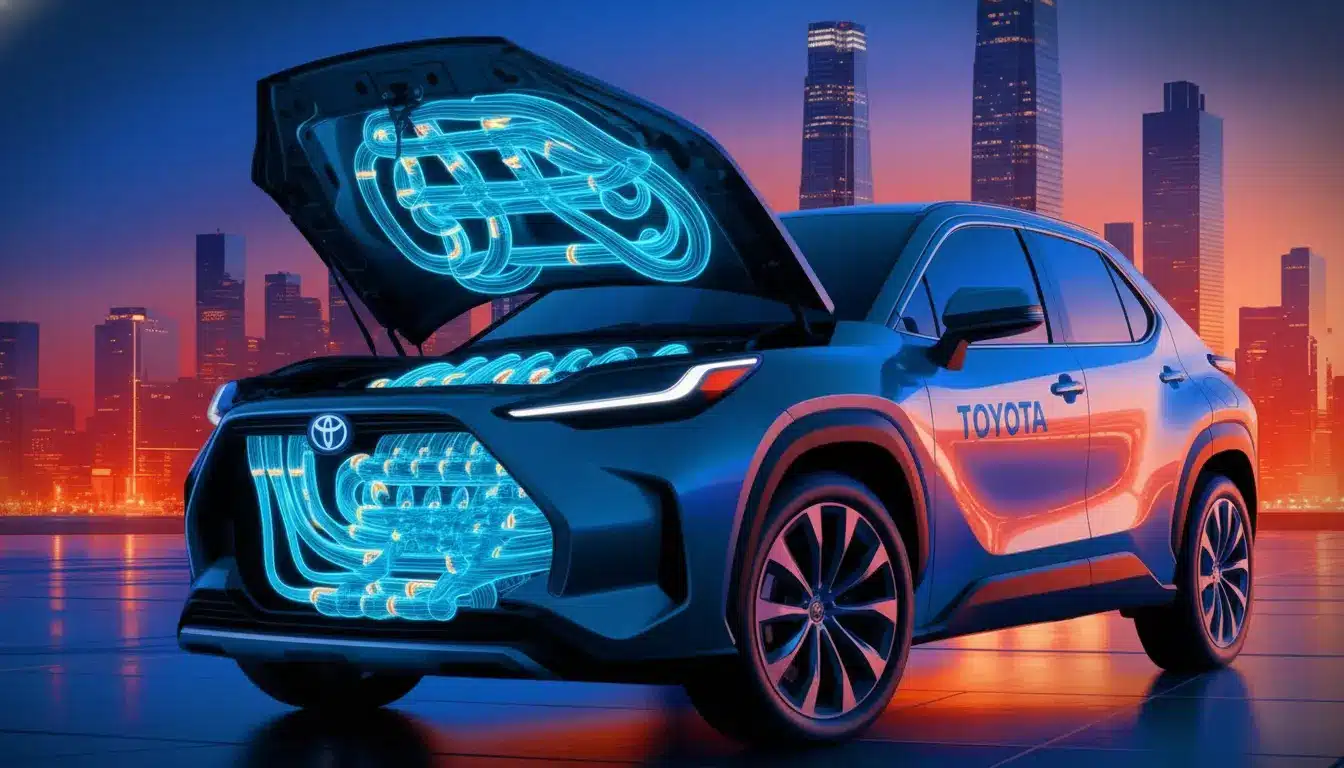
The catchy nickname « water engine » might sound like something out of a sci-fi movie, but rest assured: there’s no sleight of hand involved—just innovative hydrogen technology. In a fuel cell, hydrogen reacts with oxygen, generating electricity and emitting only water vapor as its sole byproduct. In practical terms, that means it’s an electric car that doesn’t rely on bulky batteries; all it needs is a tank of hydrogen to refill.
Those who’ve had a chance to ride in the Toyota Mirai—already available on the market—describe it as incredibly close to a conventional car: smooth acceleration, absolute silence, and the rather satisfying feeling of leaving nothing behind but a trail of water.
The Allure of Hydrogen: Fast, Efficient, and (Almost) Guilt-Free
What really draws people to this technology? Hydrogen cars offer some standout advantages:
- Refueling takes just a few minutes
- Range is comparable to gasoline engines
- Environmental impact is nearly zero
According to the International Energy Agency, hydrogen vehicles could help slash global emissions significantly—provided they’re fueled by « green hydrogen, » which is produced from renewable sources.
The Roadblocks: Infrastructure and Sustainability
Of course, it’s not all smooth sailing. Hydrogen refueling stations are still few and far between, even in countries leading the way like Japan or Germany. Plus, most hydrogen currently available is produced using energy from fossil fuels, undercutting some of the climate benefits. And that’s where the real challenge kicks in: making hydrogen truly sustainable.
Toyota isn’t the only believer in life beyond the battery electric car. BMW has already announced a hydrogen model slated for 2028, while several European and South Korean companies are busy testing trucks and buses fueled by this technology. In this highly competitive landscape, every new development pushes the whole sector forward.
The Consumer Puzzle and Future Mobility
Still, the big question mark hovers over public opinion: consumers want practical, accessible solutions—not just technological marvels. Toyota will have to figure out how to make these vehicles cost-effective if they’re to break out of their niche status.
Toyota’s project is proof that the future of mobility won’t be ruled by just one technology. Hydrogen cars can complement battery electric vehicles, offering more choices—and far more flexibility.
The real test ahead? Building a widespread, reliable refueling network, and ensuring that hydrogen comes from renewable sources. Only then can we imagine a future where filling up with water is as normal as pulling up to a regular pump.
With this innovation, Toyota is sending a clear message: sustainable mobility isn’t a single-lane highway, but a convergence of different routes all leading to the same goal—reducing environmental impact without sacrificing freedom or performance.

John is a curious mind who loves to write about diverse topics. Passionate about sharing his thoughts and perspectives, he enjoys sparking conversations and encouraging discovery. For him, every subject is an invitation to discuss and learn.