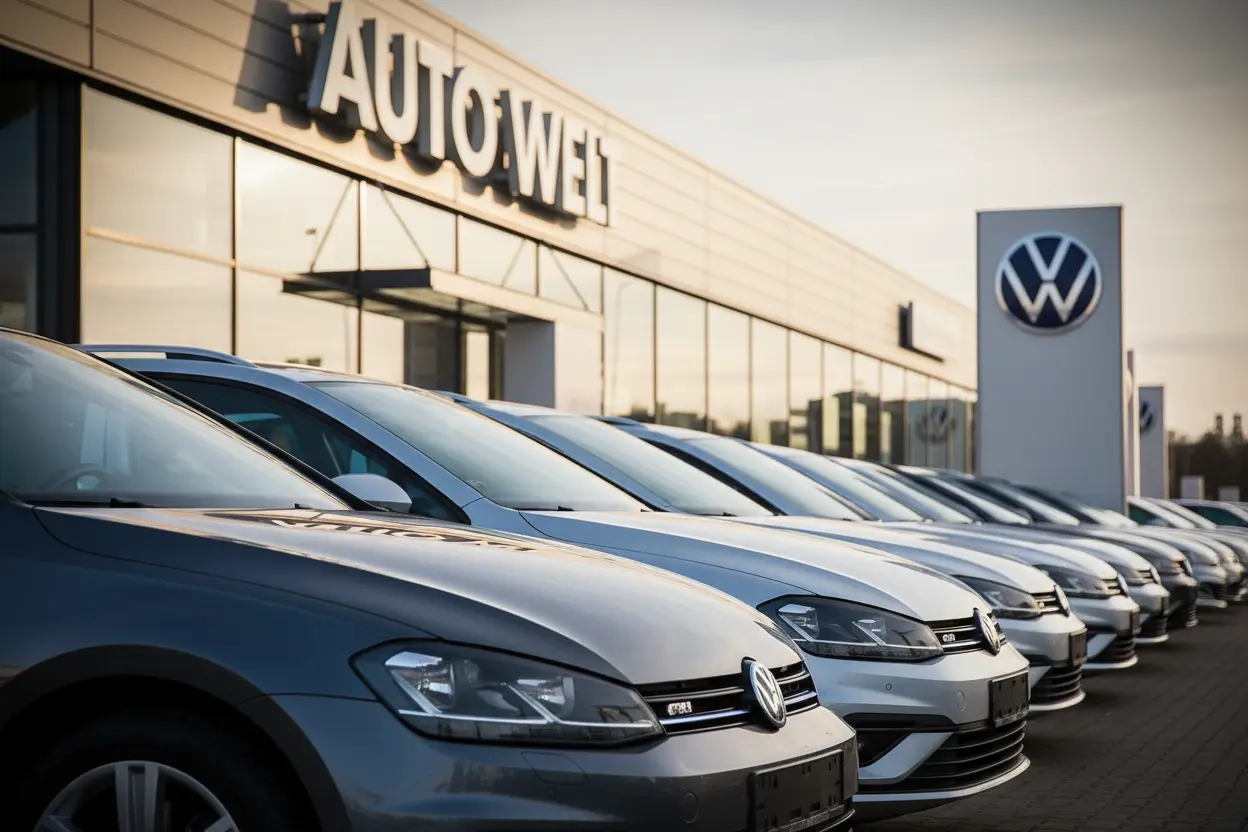
If you’ve been eyeing a new Volkswagen in Germany, you might want to grab a seat—preferably not in the showroom just yet. The German automotive giant has announced price increases for nearly all of its petrol and diesel models in Germany, citing sluggish demand and financial challenges. But if you’re a Polo fan, there’s good news—you might just escape the price hike blues.
What’s Happening: Price Hikes Across the Combustion Range
Volkswagen has officially revealed that the vast majority of its combustion-engine range will see price increases in Germany. These hikes are set to range between 2.1% and 3.2%. The timing is no coincidence; the company faces a double whammy of weak consumer demand and financial headwinds. This isn’t a “because-we-can” move, but rather an urgent tweak to shore up finances during a tough stretch for the carmaker.
According to a report from Automobilwoche, the price bump is sweeping. Key models are affected, including the Golf, Tiguan, and Passat. The Golf, notably, is hit hardest on a percentage basis. Here’s how the numbers break down:
- Passat: Up by €1,325
- Tiguan: Up by €1,100
- Golf: Up by €1,150 (with a whopping 4.2% increase)
- Touareg: Takes the trophy for the steepest hike: up by €2,490, with a new starting price set at €73,765
If you love detail, you’ll notice that almost every petrol or diesel model under the Volkswagen umbrella gets more expensive. That “almost,” though, is important.
The Polo Exception: Small but Mighty
While the rest of the fleet feels the pinch, the Volkswagen Polo remains the hero—for now, at least. Its price stays put, at just under €20,000. If you’ve been contemplating a punchy little city car and were dreading a price surge, you can heave a sigh of relief. The Polo continues as the affordable outlier, untouched by this wave of increases.
Why Now? The Company’s Financial Tightrope
Volkswagen’s decision isn’t made lightly. The automaker has been staring down the barrel of declining demand for some time. This pressure has led to decisions like factory closures and internal restructuring efforts. CEO Oliver Blume has previously urged staff to cut costs wherever feasible. Now, though, management opted for price rises in hopes of easing the financial pain and, let’s be honest, giving the balance sheets a little extra polish.
The strategy: generate a higher profit per vehicle, even as overall sales sit disappointingly low. It’s a move that toe-taps on a tightrope—raise prices too much and alienate buyers; do too little and risk deeper financial trouble. It’s a classic modern business conundrum, and Volkswagen is right in the thick of it.
What About the Netherlands? No Immediate Price Surges
If you’re reading from the Netherlands and starting to break out in a cold sweat, take heart. Volkswagen has confirmed that—for the time being—prices remain unchanged there. In plain language: no price hikes in the Netherlands, at least for now. At the moment, a Golf in the Dutch market goes for €34,900 and a Tiguan fetches €46,990.
Of course, there’s a small catch lurking in the background. The BPM (private motor vehicle and motorcycle tax) is set to be increased by €200 in 2025, which means that car prices might climb slightly next year. But for now, at least, it’s business as usual on the Dutch forecourt.
- Prices in Germany: Going Up, especially for Golf, Tiguan, Passat, and Touareg
- Prices in the Netherlands: Safe—for now
- Polo: The exception to the rule—no price increase
Takeaway: For German customers, snapping up a new Volkswagen is about to get a bit more expensive, unless you’re a Polo devotee. Meanwhile, Dutch buyers have a reprieve—at least until the next tax tweak. These are turbulent times even for giants like Volkswagen. So, whether you’re shopping for a Golf or just planning your next test drive, timing your purchase might just save you some serious euros.

John is a curious mind who loves to write about diverse topics. Passionate about sharing his thoughts and perspectives, he enjoys sparking conversations and encouraging discovery. For him, every subject is an invitation to discuss and learn.