Was grandpa’s old Mercedes or your neighbor’s legendary Toyota truly the gold standard for car reliability? Or have we just polished the past with a thick coat of nostalgia wax? Let’s lift the hood on the latest data and see how classic simplicity stacks up against today’s tech-loaded rides.
Reliability: Simplicity Versus Sophistication
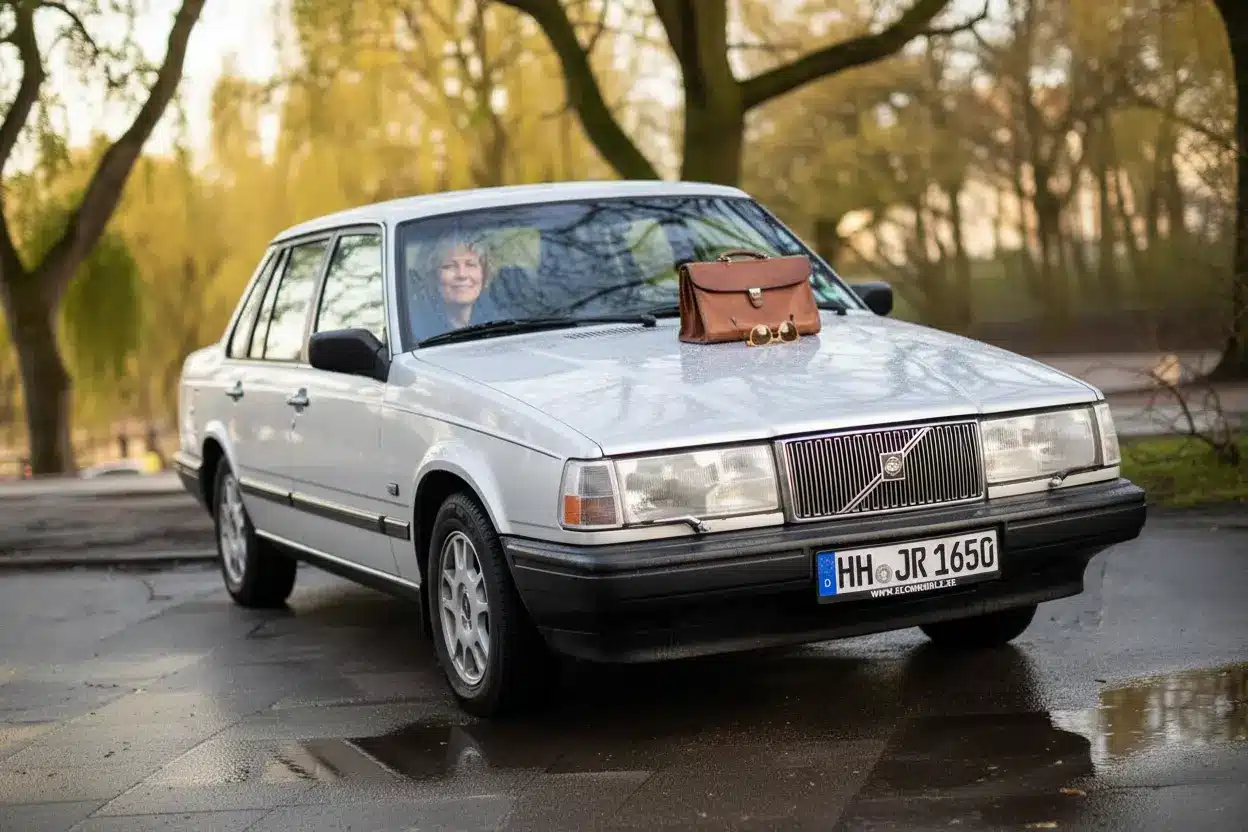
- Classic cars like old Mercedes, Toyotas, and Volvos built their reputations on simplicity. Few electronics, sturdy oversized parts, and generous mechanical margins made breakdowns less of a nail-biting worry.
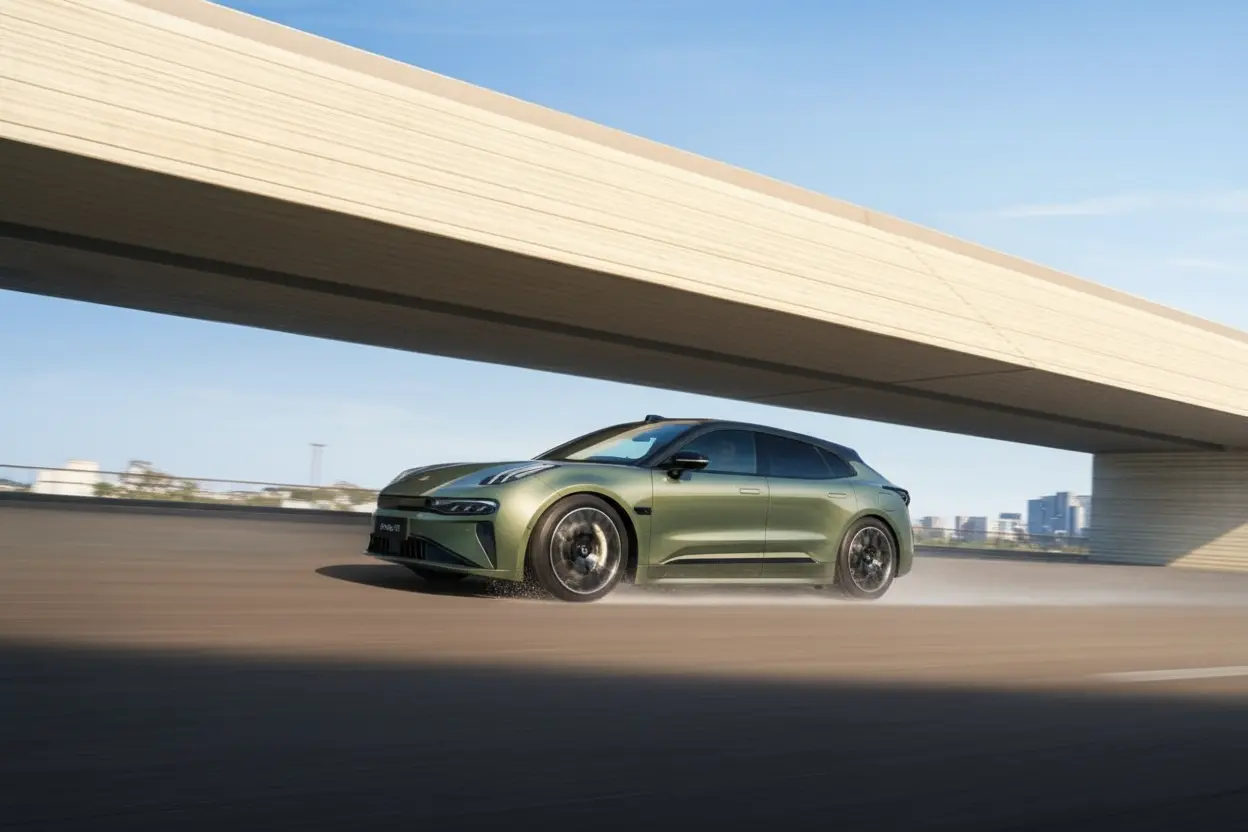
- Modern cars have flipped the script. They’re lighter, more efficient, and stuffed with features—although this makes them more vulnerable to the quirks and gremlins of software (hello, mysterious dash lights!).
- Core mechanics in new vehicles are often more robust than ever. But there’s a catch: as cars rely more on electronics and less on pure machinery, the number of potential electronic hiccups has grown, even though outright engine breakdowns are less frequent.
Electric Vehicles: Fewer Moving Parts, Fewer Problems?
- According to recent ADAC data cited by AutoWeek, young electric vehicles (EVs) actually outperform their gasoline and diesel cousins for reliability. Fewer moving parts means less to go wrong—unless you count the occasional software tantrum.
- But don’t crack open the champagne for EV perfection just yet. As the industry pushes for more electric models and advanced driver assistance systems (ADAS), the risk of electronic faults grows. AutoWeek notes most issues are with electronics, not blown engines.
The Numbers Game: Why Breakdowns Aren’t What They Seem
- Context is everything. While absolute numbers of breakdowns are on the rise, this has a lot to do with us driving more often, covering more miles, and keeping older cars on the road. More traffic, more electronics, and more ways to report trouble all inflate the figures—but not necessarily because each car is less reliable than it used to be.
- The ANWB reported over 1.3 million roadside assistance actions in 2024—averaging 3,700 per day. The repeat offender? The humble 12V battery.
- This wider context puts things in perspective compared to “the good old days”: there’s more traffic, more complexity, and way more electronics. The days of a simple tune-up and oil change every 10,000 km are gone; now, major and minor services have largely disappeared, with maintenance intervals stretching to 30,000 km or more. Try telling that to someone in the ’90s!
Brand Battle: Fact or Feelings?
- Reliability was—and still is—a badge of honor for some brands. Toyota, for instance, continues to top reliability surveys both then and now. That stubborn nostalgia for “old Japanese legends” is rooted in reality: in a summarized Consumentenbond survey reported by NU.nl, Japanese brands were still seen as the most dependable.
- Modern European models aren’t necessarily laggards, though. Their issues are often small software bugs, frequently fixable via updates instead of engine overhauls—although some purists might still clutch their pearls at the sound of a software patch.
So, Was the Past Really More Reliable?
- Mechanically, older cars appeared simpler and sometimes overbuilt—yes, there was less to break. But the latest data paint a more mixed picture.
- Young EVs perform well, need less frequent workshop visits, and most glitches today are fixable with a quick software update, not a socket wrench. But as cars get smarter, drivers get more warning lights and digital annoyances. More buzzers, more beeps!
Practical advice? Don’t just trust your memory (or that wise uncle at family dinners). Before buying, check:
- The history of the exact make and model
- If over-the-air (OTA) updates are supported
- The warranty length
- How the car scores in recent breakdown and user data
In short: pick reliability based on today’s facts, not yesterday’s memories. Because frankly, nostalgia doesn’t get you towed home—for that, you still need a good old 12V battery (and maybe a quietly reliable Toyota).

John is a curious mind who loves to write about diverse topics. Passionate about sharing his thoughts and perspectives, he enjoys sparking conversations and encouraging discovery. For him, every subject is an invitation to discuss and learn.